
Skip to content
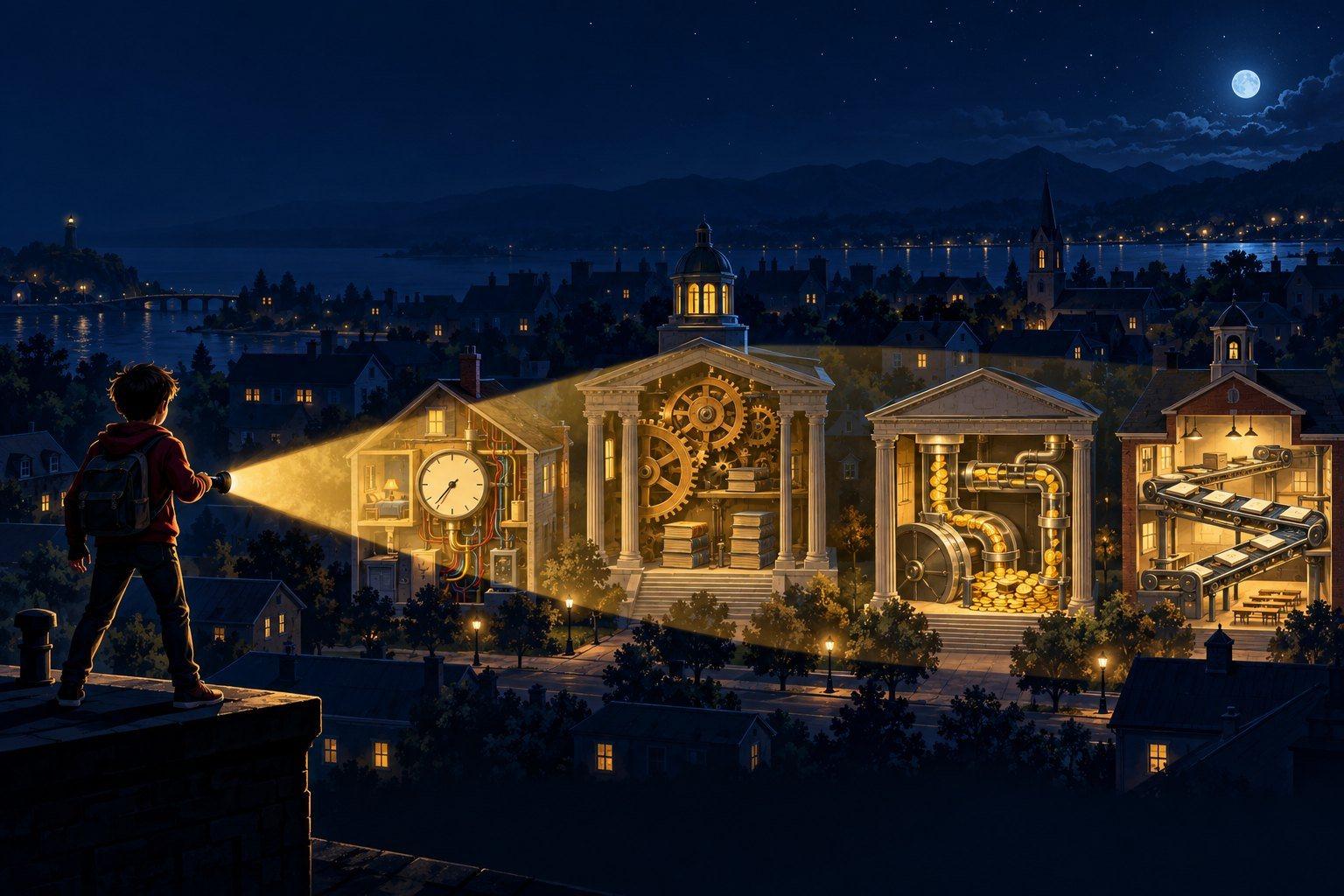
A kid on a rooftop at night shines a flashlight across a town; inside the beam, the buildings show their hidden machinery.
Stress gauge: 92%Rule #1: who wrote this?Where the money goesWhat they don't tell you
Ashlight Books · ages 8 to 14

Kids aren’t too young for the truth.

They're too young to be left guessing. Ashlight books shine a light on how people and the world really work: a story first, then the machinery underneath, told straight.

Move your flashlight
Meet the books

A little light.
A whole new way to see.

Browse every book ↗
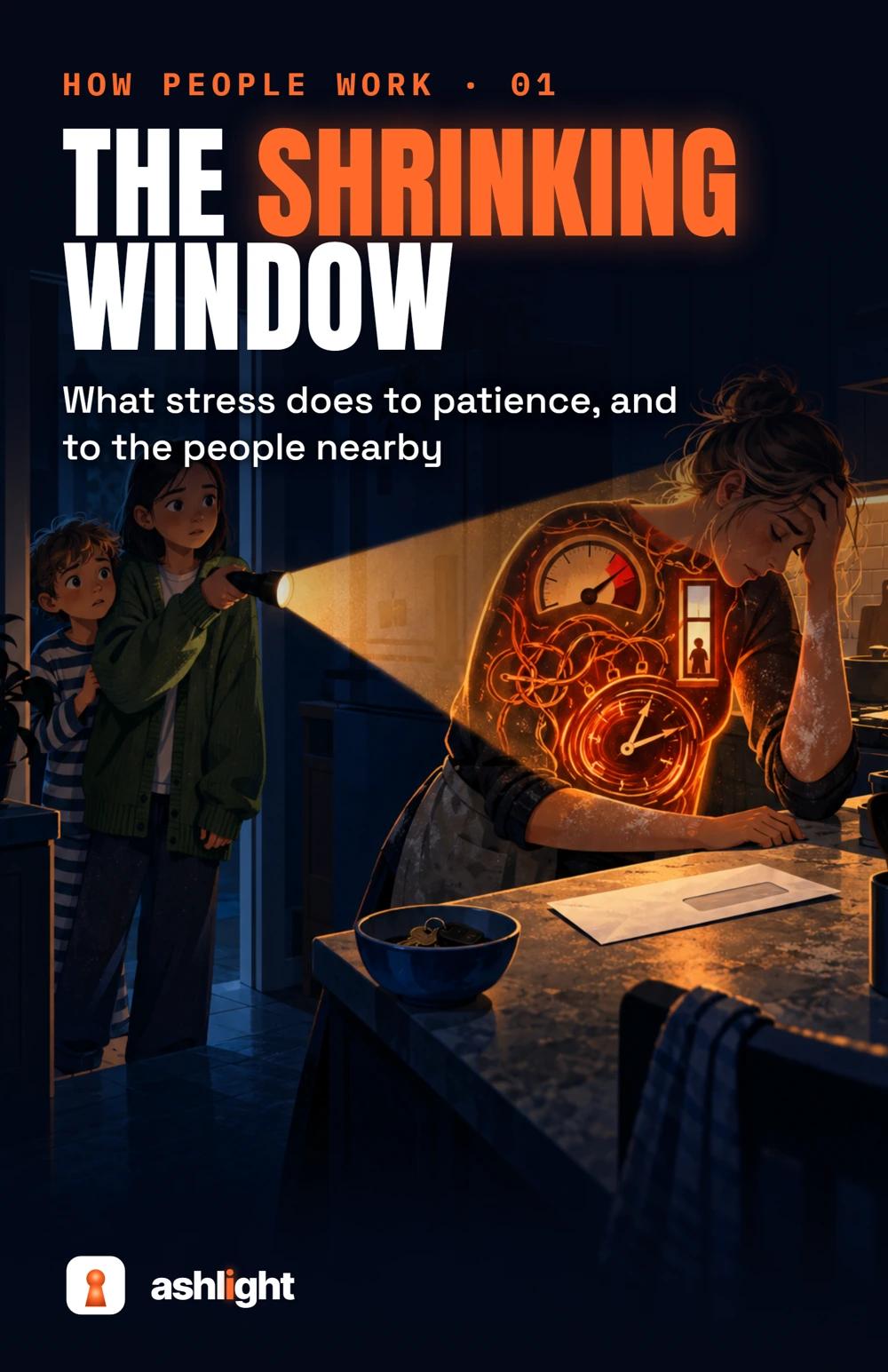
The Shrinking Window — front cover
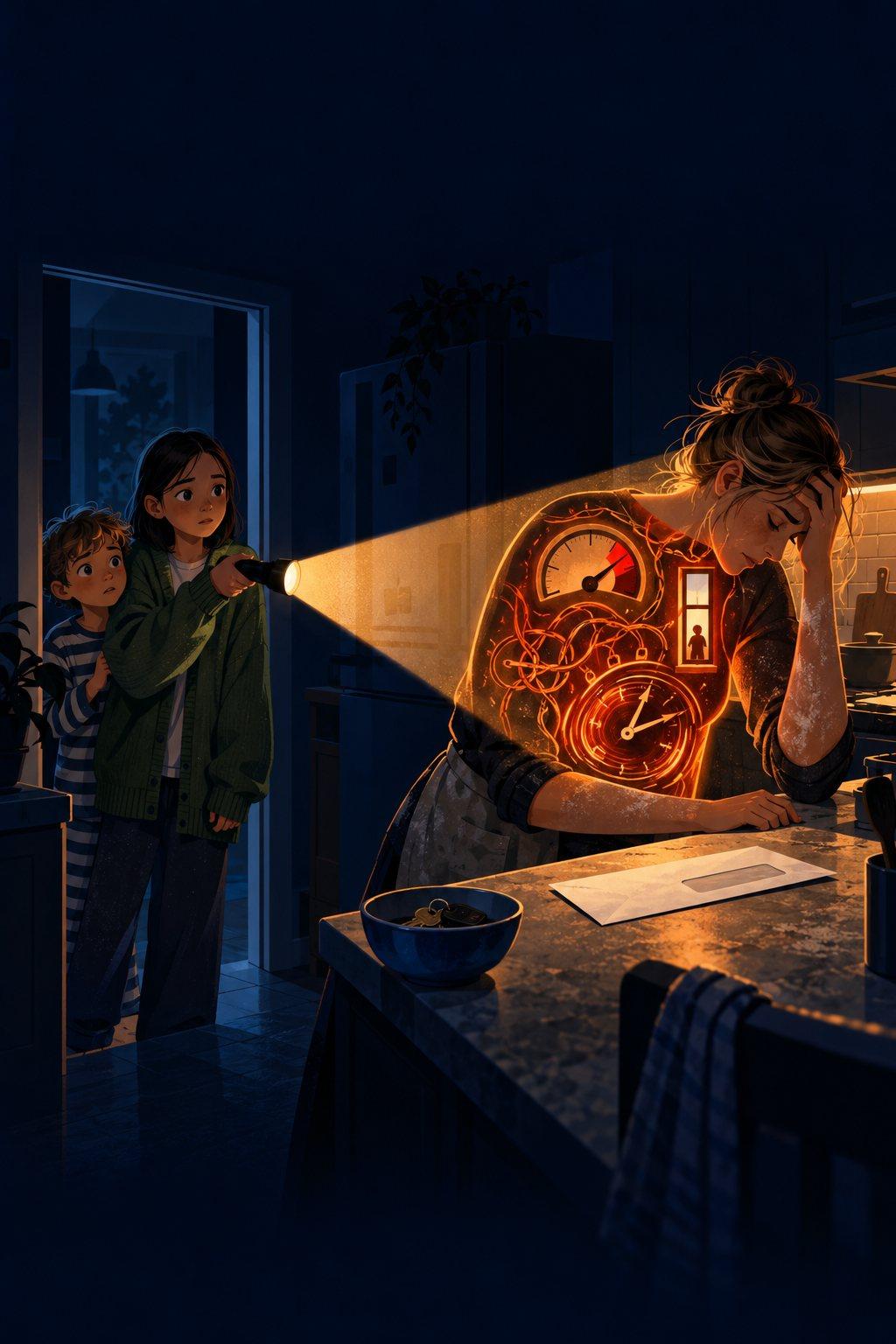
The Shrinking WindowWhy the same thing that was fine yesterday gets you yelled at today.Ages 8-12 · 54 pages
In production
What this book teaches

What stress does to patience, and to the people nearby

  • How stress changes patience
  • Recognizing a pattern without taking the blame
Meet the book →
Read the free preview
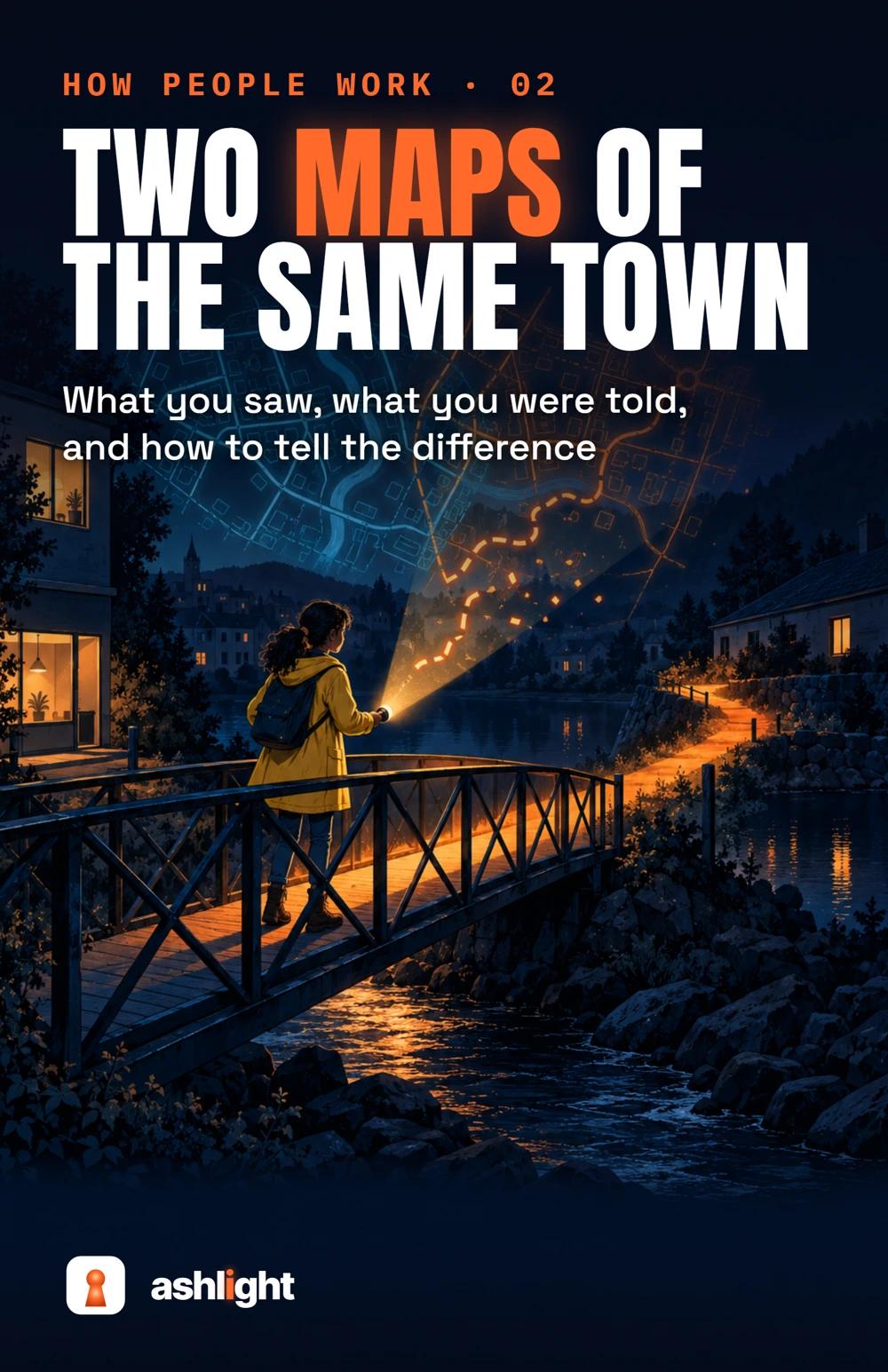
Two Maps of the Same Town — front cover
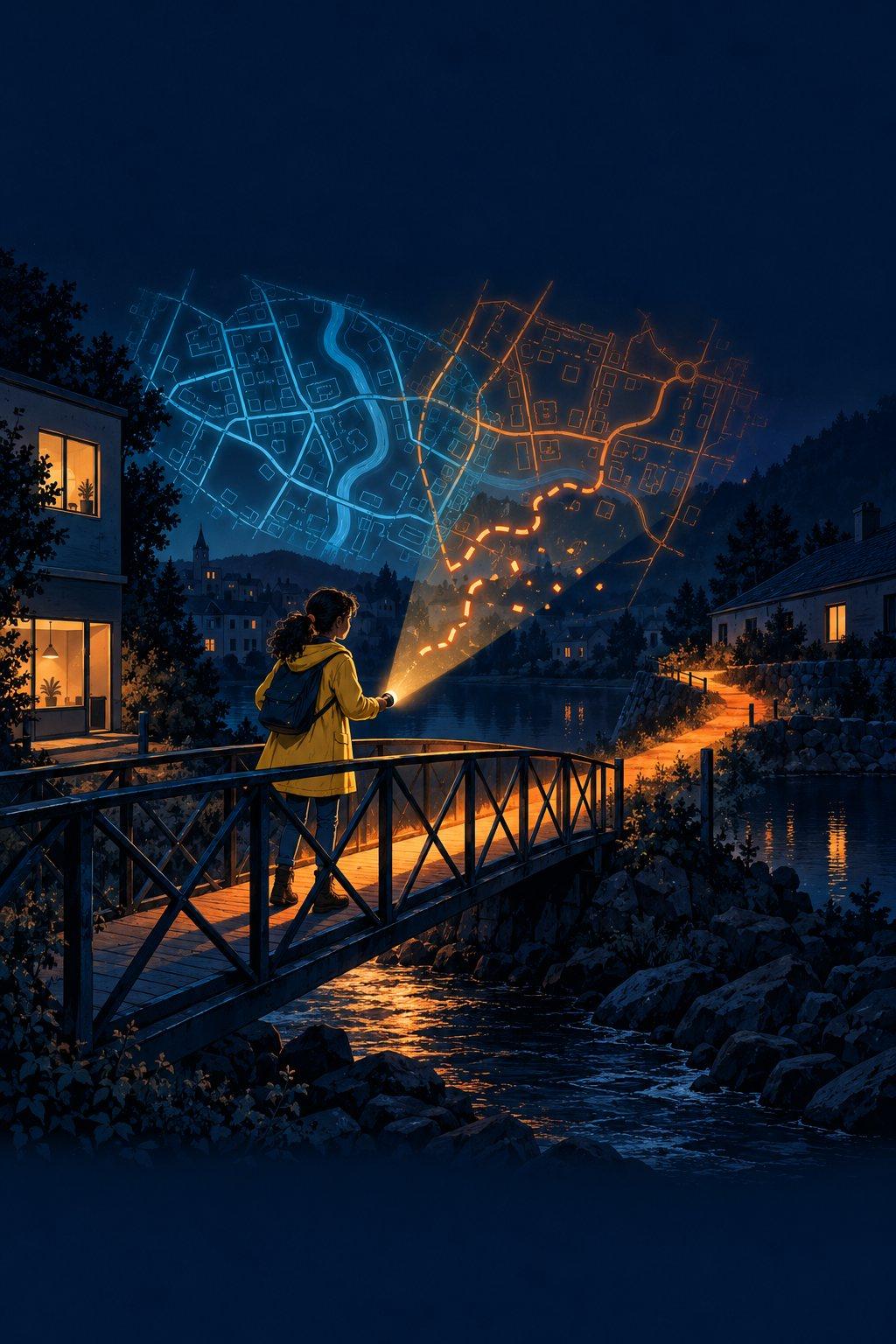
Two Maps of the Same TownTwo people can tell you about the same town and draw different maps.Ages 8-12 · 46 pages
In production
What this book teaches

What you saw, what you were told, and how to tell the difference

  • Telling what you saw from what you were told
  • Making room for two different accounts
Meet the book →
Read the free preview
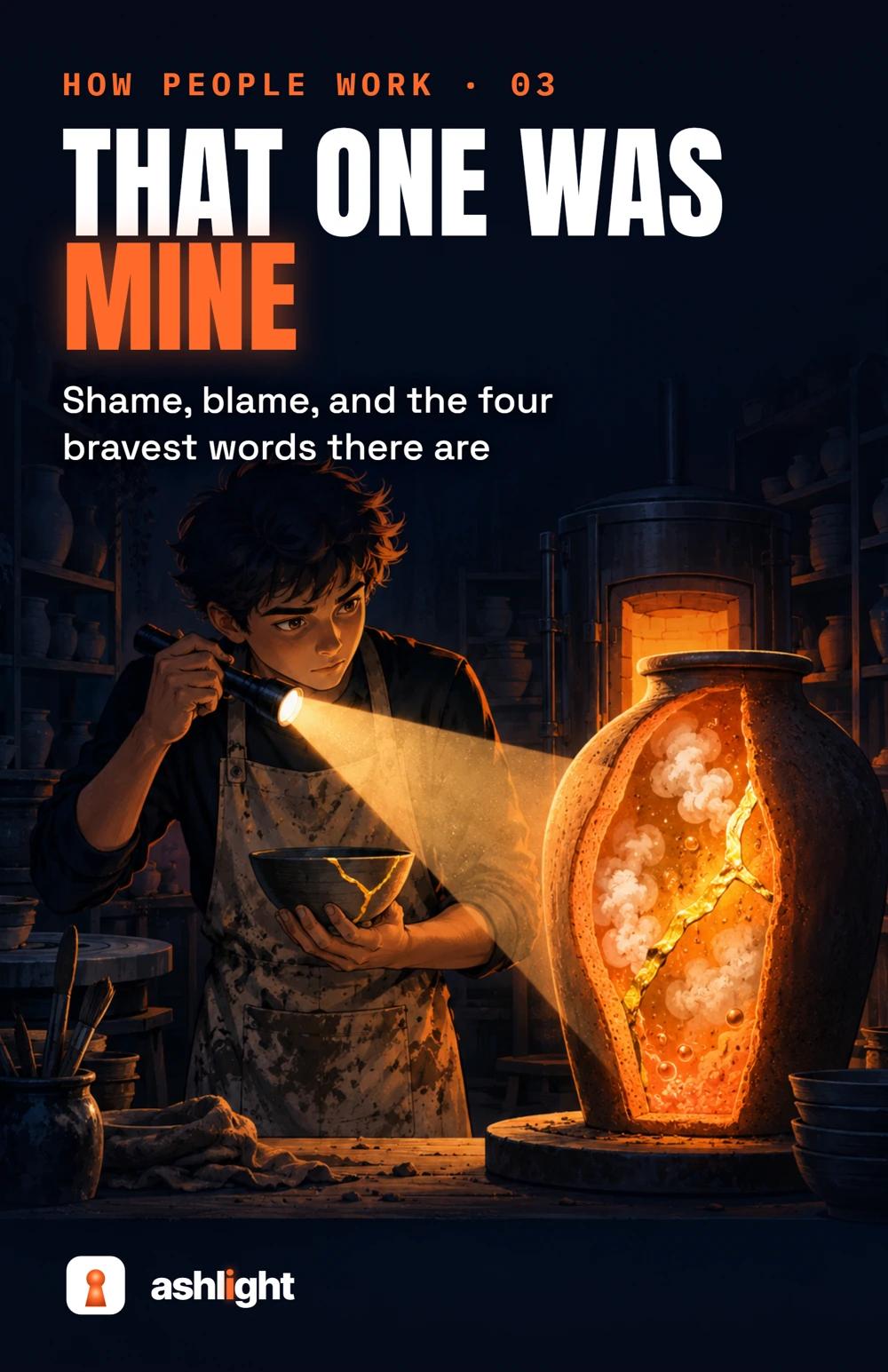
That One Was Mine — front cover
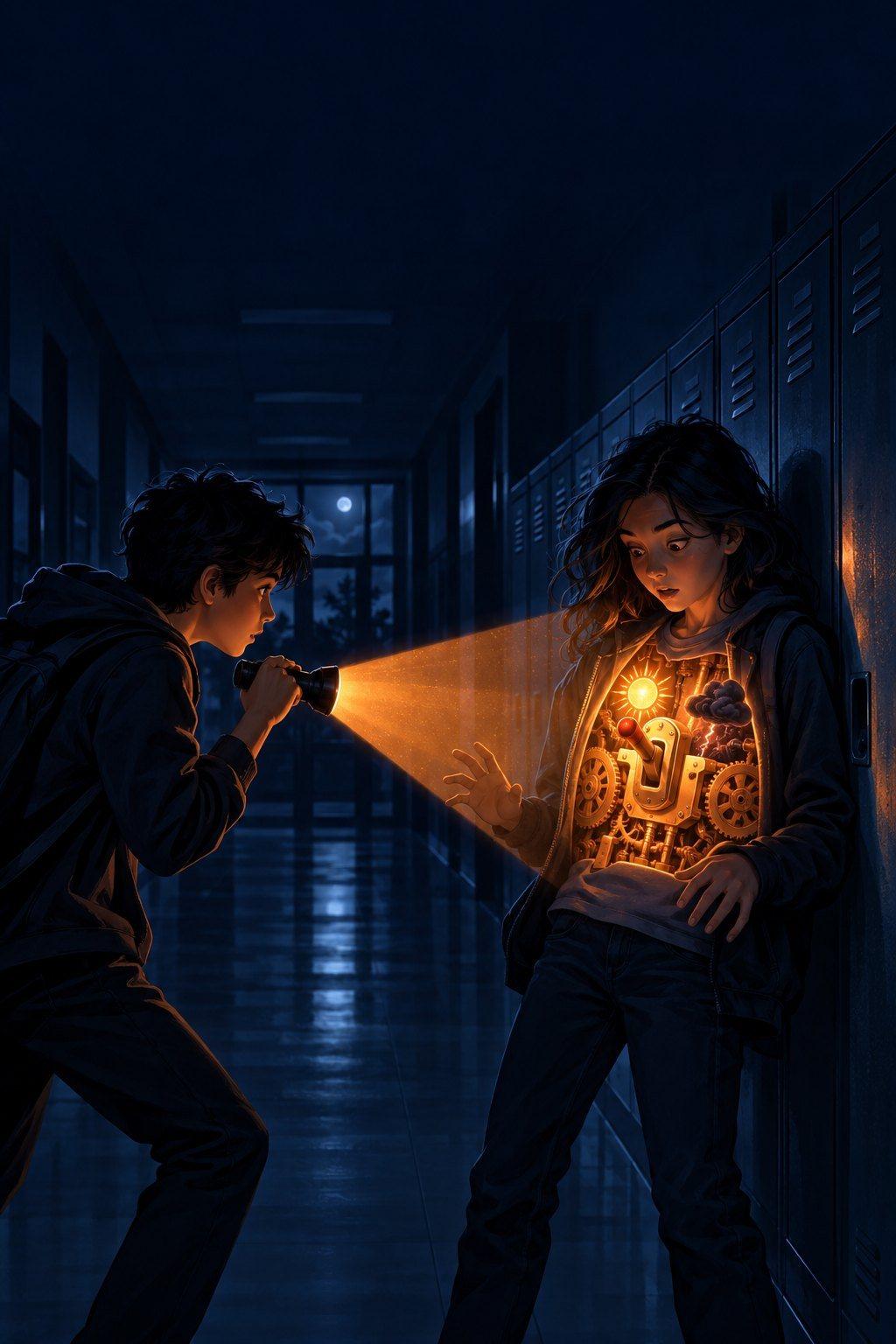
That One Was MineWhy some people can never be the one who did it.Ages 8-12 · 44 pages
In production
What this book teaches

Shame, blame, and the four bravest words there are

  • Recognizing blame when it moves to someone else
  • What it means to own a mistake
Meet the book →
Read the free preview
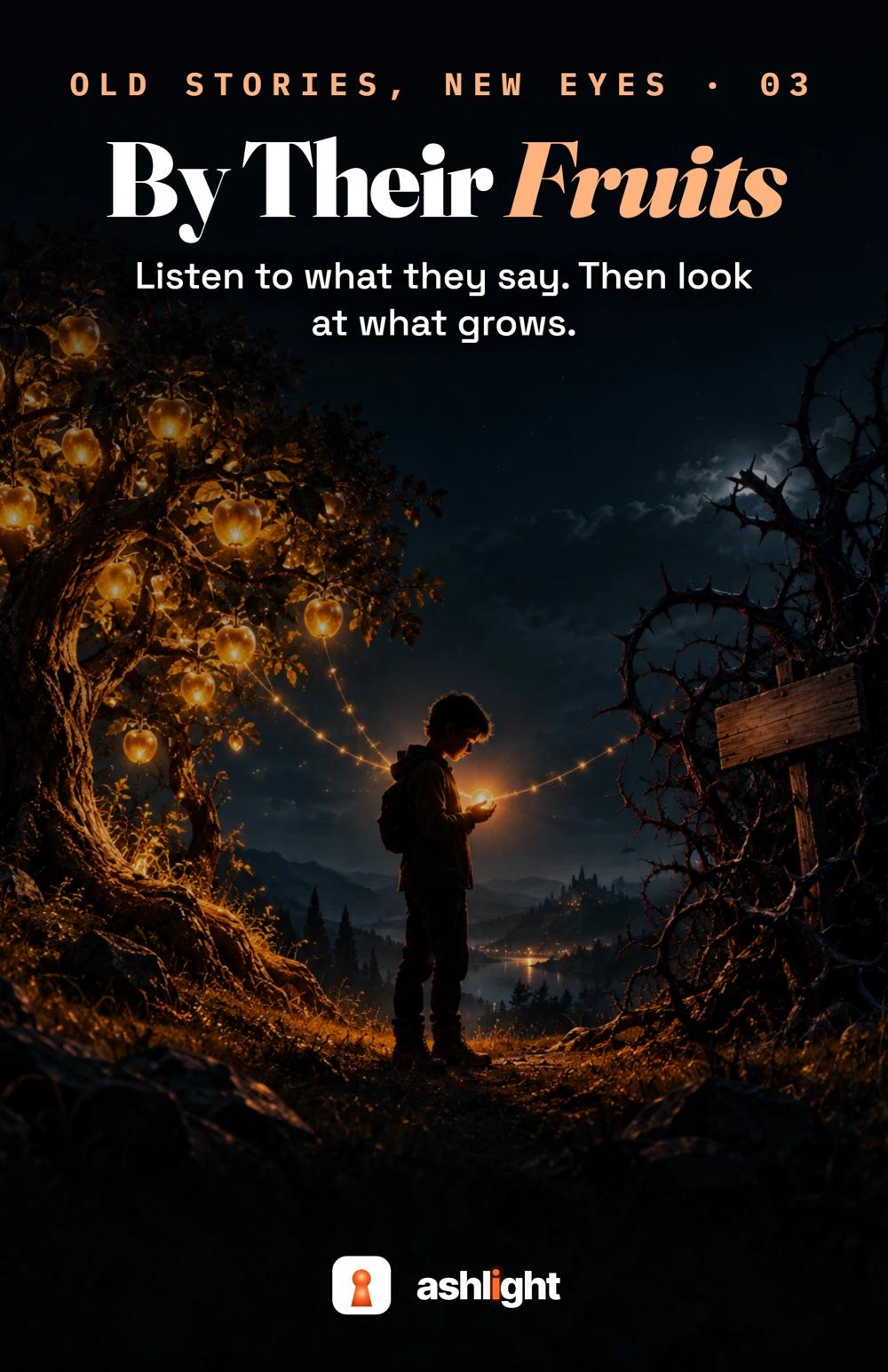
By Their Fruits — front cover
By Their FruitsListen to what they say. Then look at what grows.Ages 8-12 · 40 pages
In production
What this book teaches

Old stories about telling the truth from the talk

  • Comparing actions with promises
  • Thinking about trust through traditional tales
Meet the book →
Read the free preview
The things grown-ups don't explain

You already noticed.
Here's what's actually going on.

Kids see the stress, hear the fights, and notice the rules that don't add up. Then nobody explains, and the guessing is the scary part. Tap a question.

Nobody explains this

Why do grown-ups explode over tiny stuff?

How People WorkThe Shrinking WindowOpen the book →
Nobody explains this

How can someone be your best friend Monday and your enemy Tuesday?

How People WorkThe FlipOpen the book →
Nobody explains this

Why do some people never, ever say "that was me"?

How People WorkThat One Was MineOpen the book →
Nobody explains this

Why do two people tell the same story completely differently?

How People WorkTwo Maps of the Same TownOpen the book →
Nobody explains this

Who actually makes the rules, and who do they help?

How the World WorksWho Really Makes the RulesOpen the book →
Nobody explains this

Where does money really come from?

How the World WorksWhere Money Comes FromOpen the book →
Nobody explains this

Hundreds of old newspapers reported giant skeletons. Where did they all go?

Case FilesThe Bones of GiantsOpen the book →
Nobody explains this

How do you tell if someone is telling the truth?

Old Stories, New EyesBy Their FruitsOpen the book →
Nobody explains this

Why do some kids get through hard stuff and others don't?

Same StormSame StormOpen the book →

Most adults were never told either.

One house, five lenses

People. The world. The evidence.
The old stories. The same storm.

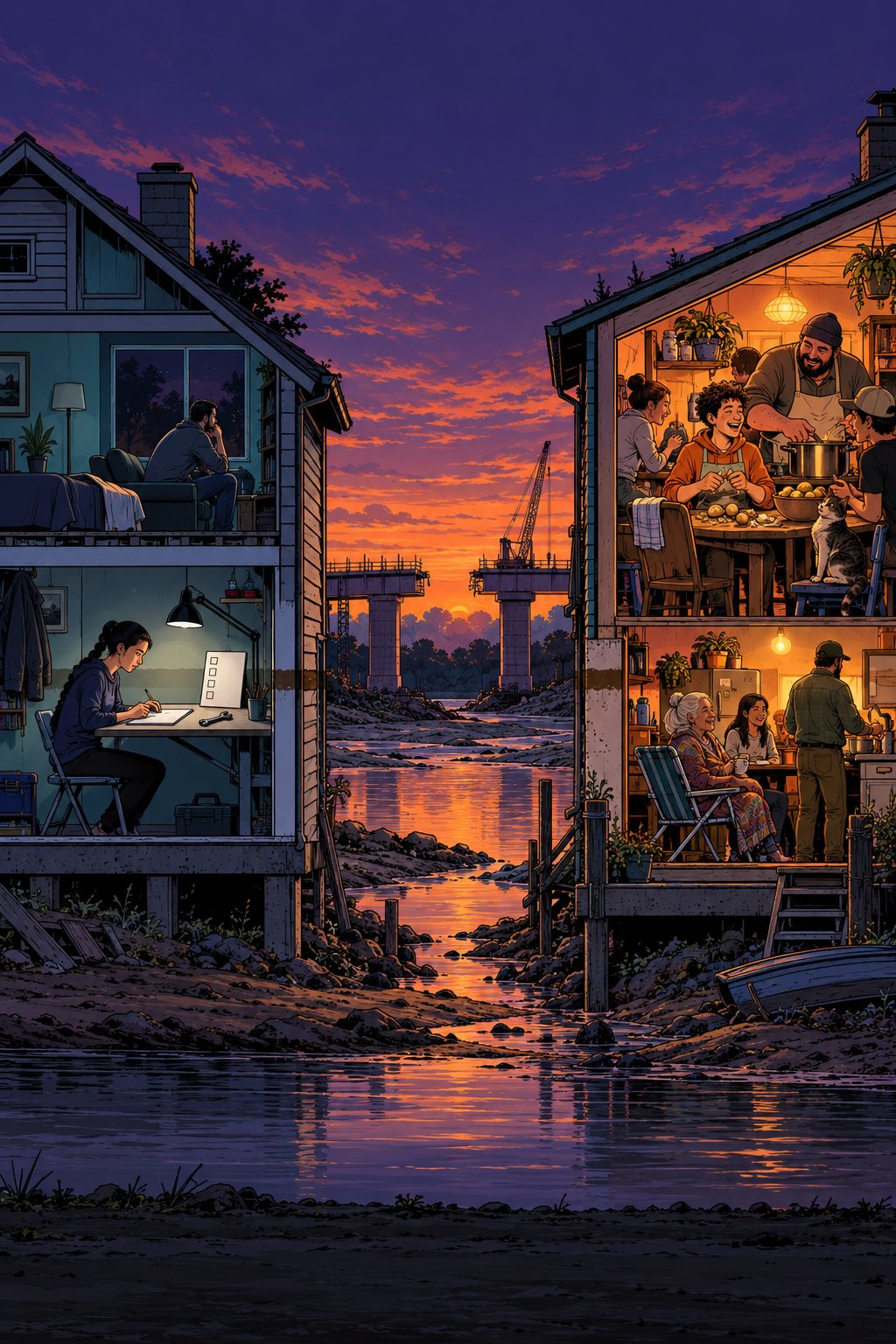
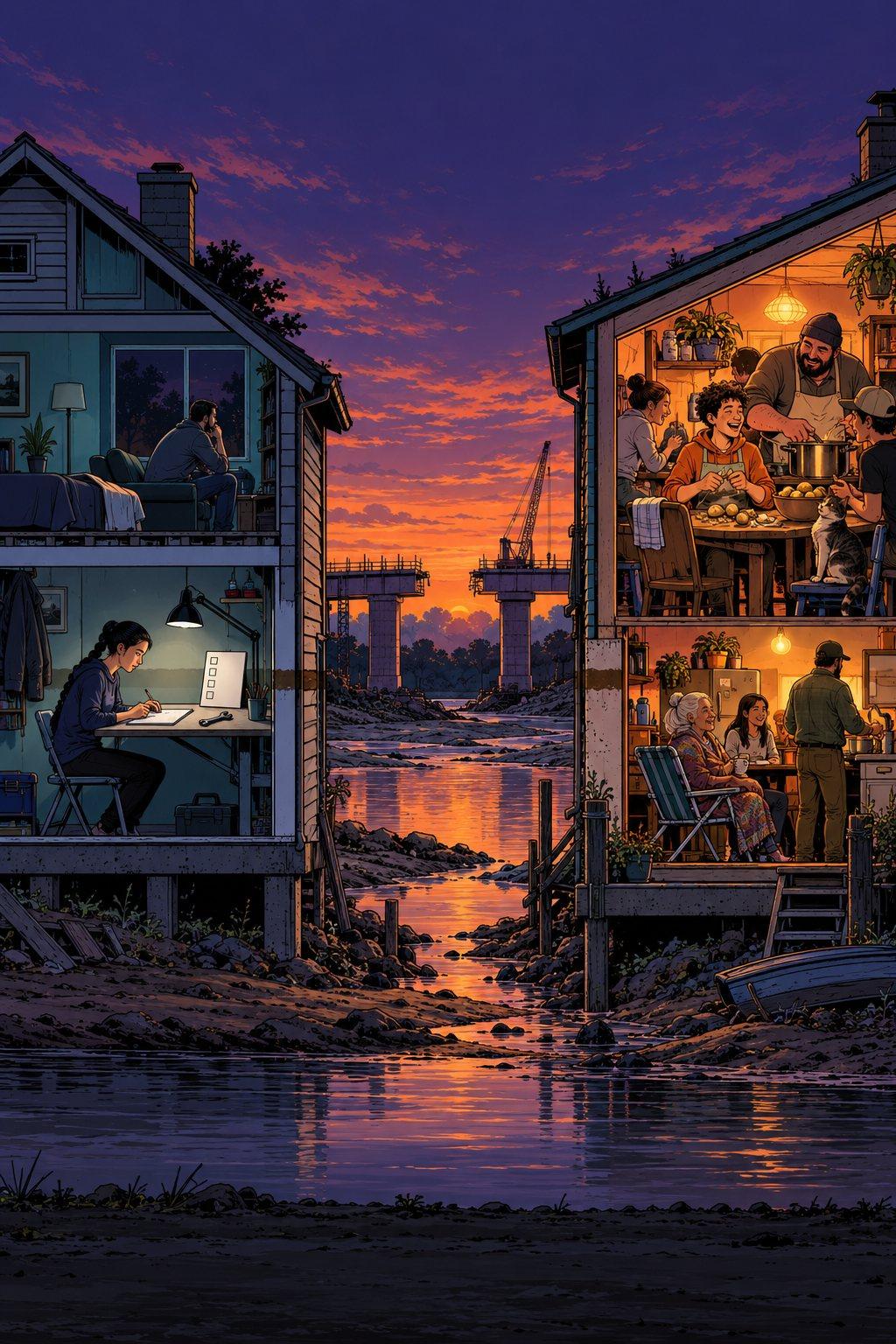
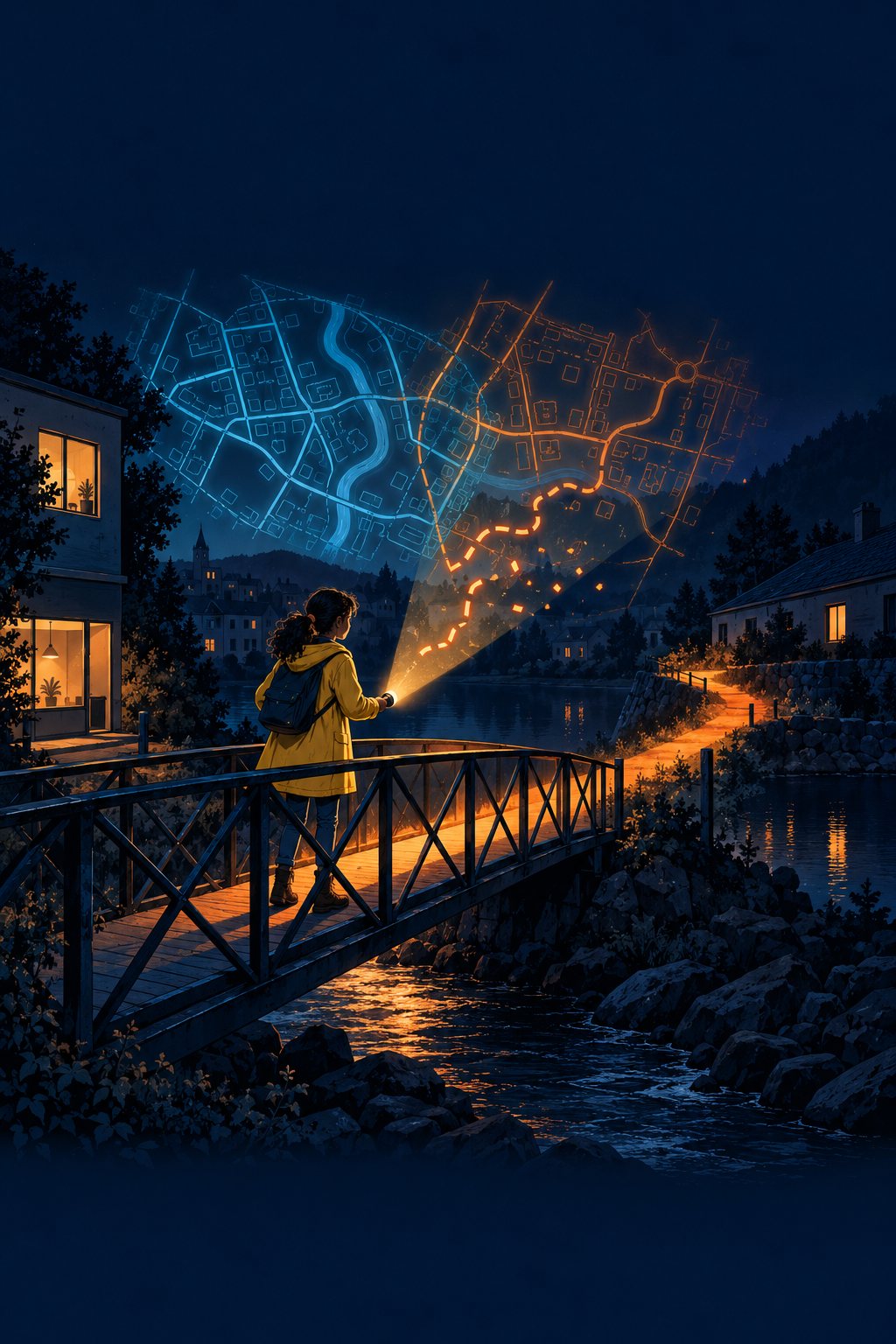
Two illuminated maps of the same town, seen from different perspectives.

Why do people act like that?

How People Work

Stories about stress, blame, changing moods and two people remembering the same thing differently. Kids get words for the patterns they already notice.

  • Stress & patience
  • Owning a mistake
  • Seeing both sides

An invented story, then a plain-language look at what happened underneath.

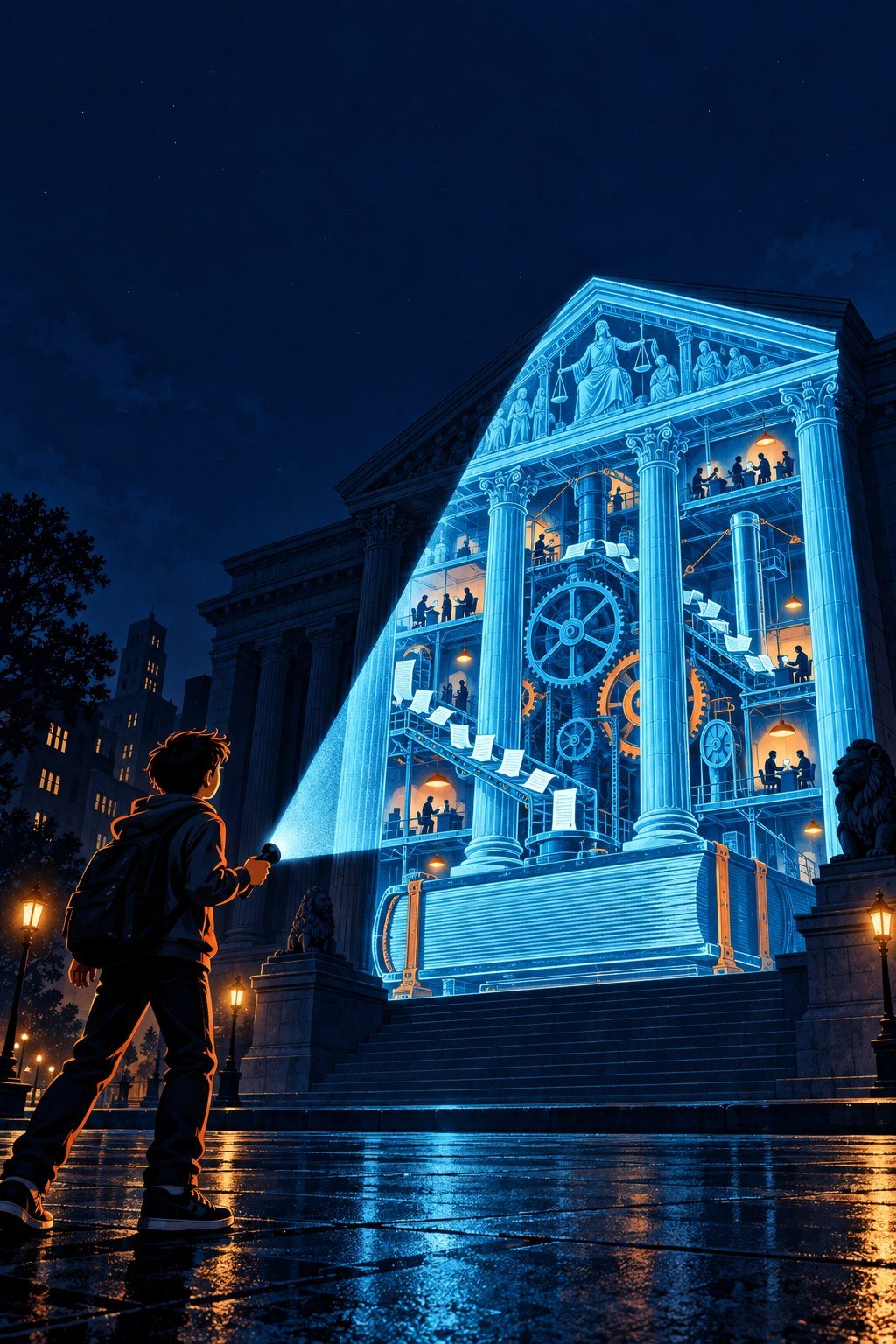
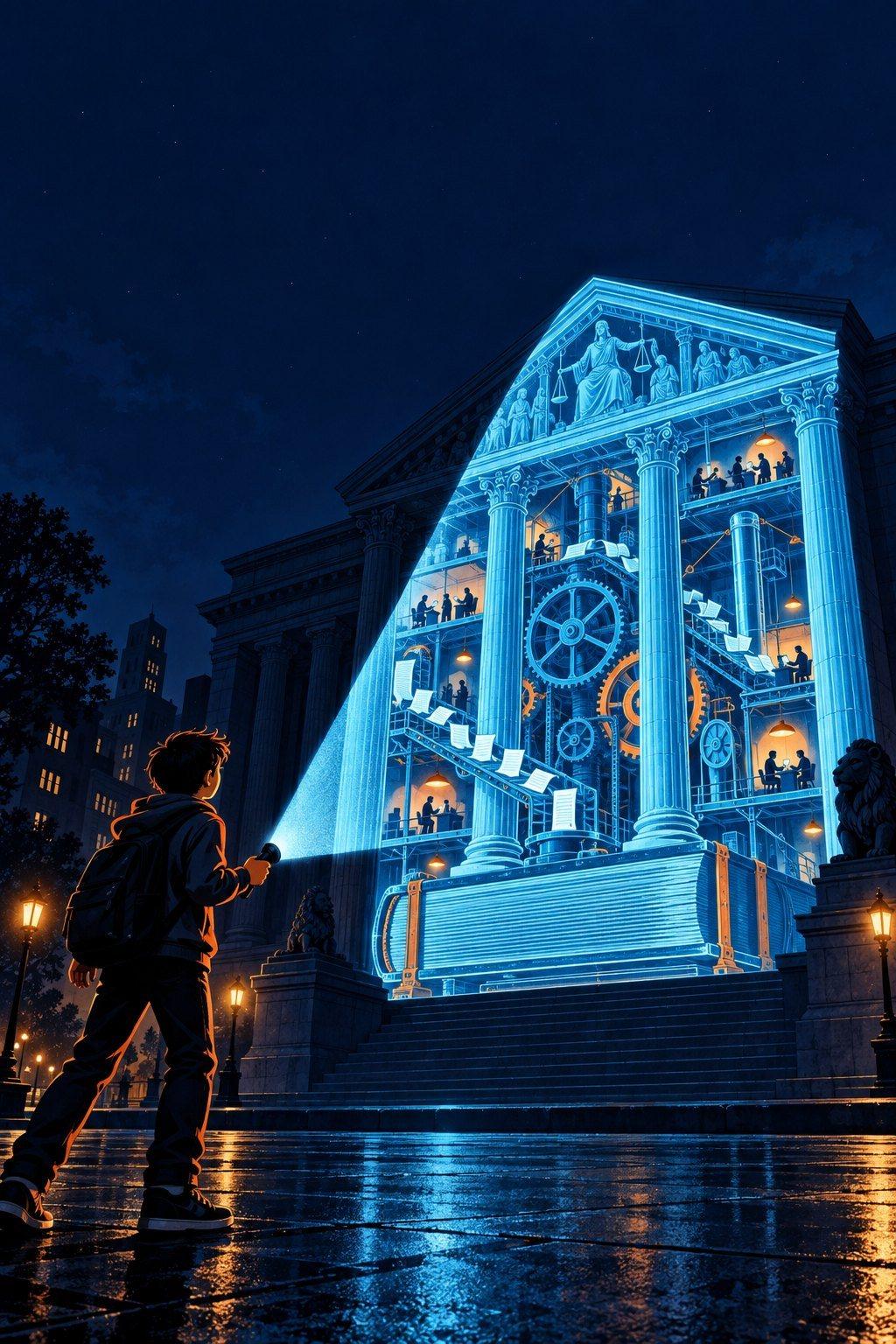
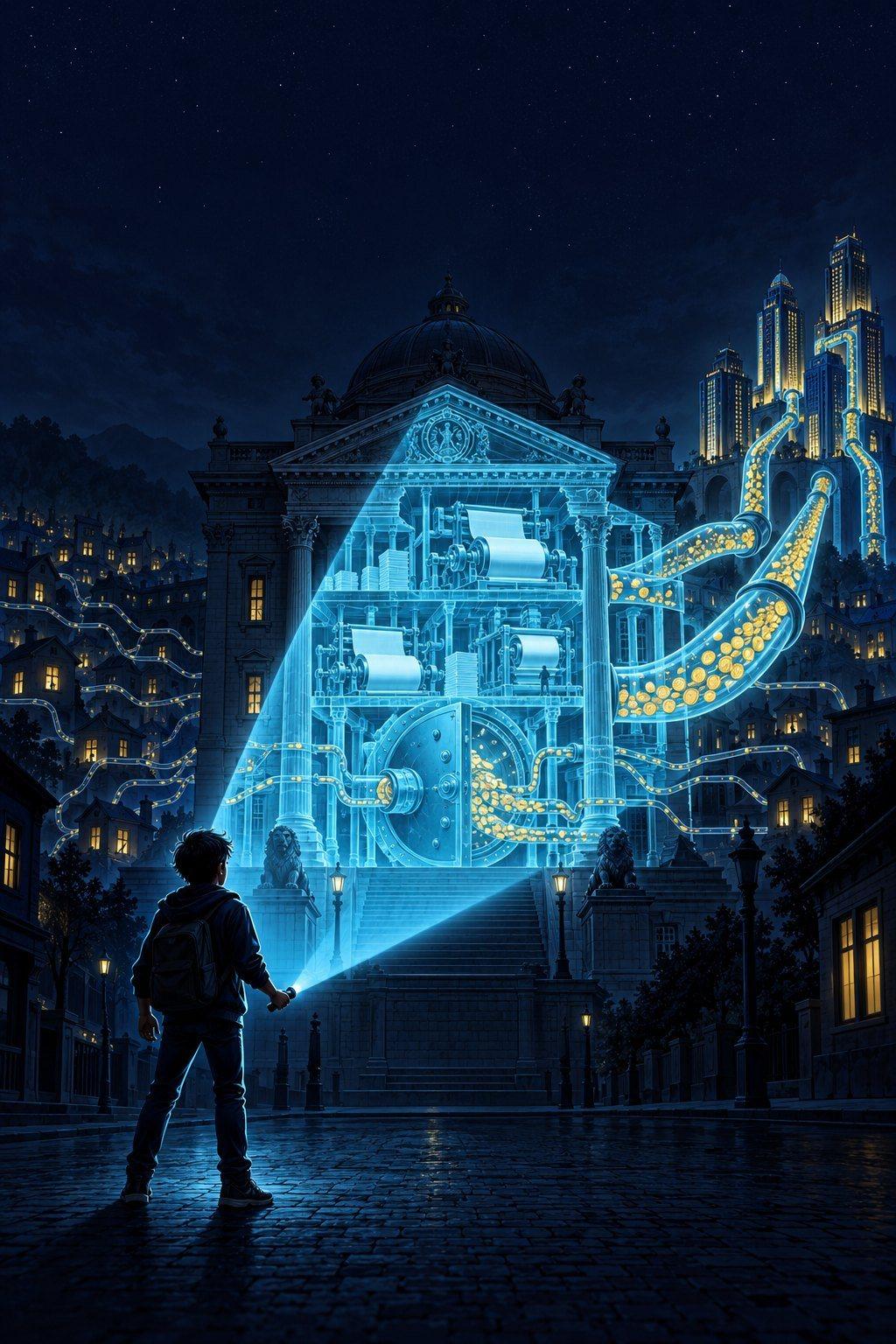
A city at night with its hidden systems revealed in cyan light.

Who made the rules?

How the World Works

A look inside the systems kids live with: laws, courts, work and money. Follow the people making decisions, then see how the pieces fit together.

  • Laws & courts
  • Jobs & ownership
  • Following the money

A story inside a system, followed by a look at how that system runs.

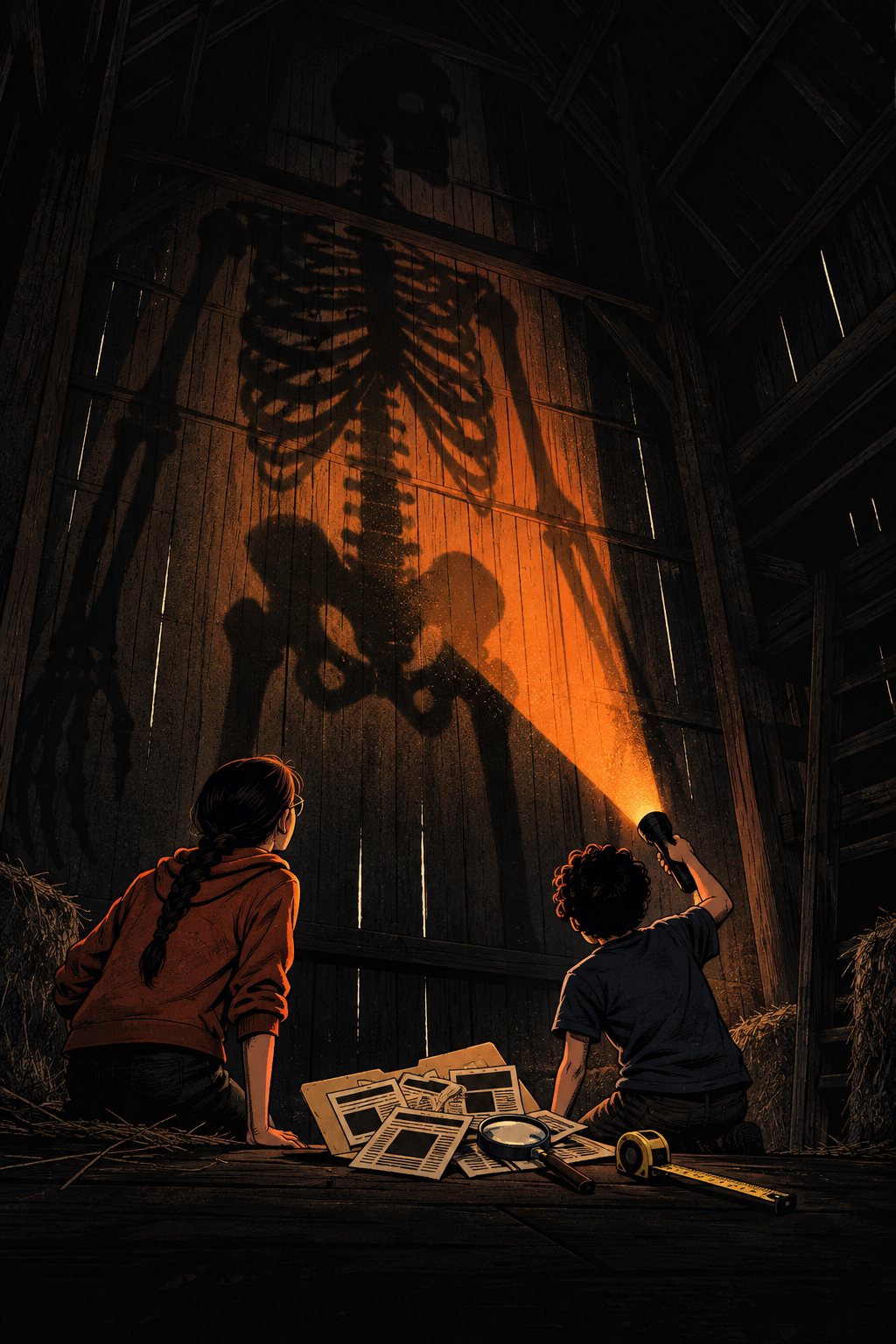
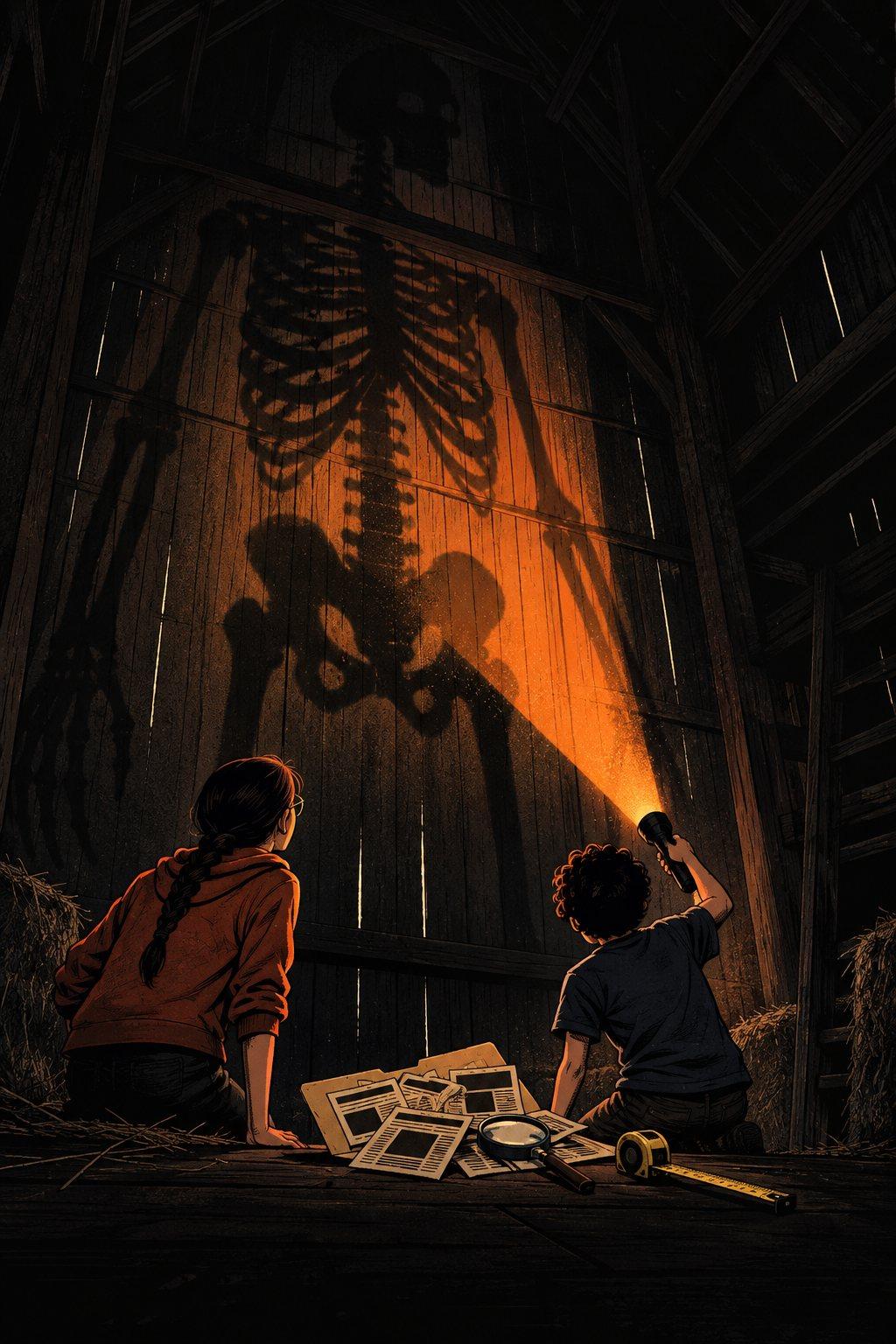
An investigator shines a light into a dark archaeological mystery.

What does the record actually say?

Case Files

History becomes a case to investigate. Read the old accounts, look at the pages, and explore the gaps between a record and the story told about it.

  • Reading original records
  • Comparing accounts
  • Evidence & interpretation

A story first. Then the case file, its sources and the series’ own interpretation.

Two children face a storm on opposite sides of a divided scene.

Same hard thing. Different ways through?

Same Storm

Two kids face the same trouble. Their stories run beside each other, showing how hurt can turn into isolation—and how someone can find a way back.

  • Asking for help
  • Isolation & connection
  • Finding your footing

Two stories side by side, followed by a look at what made the difference.

A tree glows in the dark, its fruit lit by warm ember light.

Why do these old stories still feel familiar?

Old Stories, New Eyes

Traditional tales about hurt, trust and the way we see other people. Familiar human problems, told through stories passed from one generation to the next.

  • Pain & perspective
  • Actions & promises
  • Old wisdom, new questions

Short retellings, a poem, and a little room to think about what each story means.

How every Ashlight book works

A story you'd read anyway.
Then the x-ray.

  1. The story

    Invented people in real situations. Short chapters, big pictures, a story worth reading for its own sake.

  2. What happened here

    The machinery, in plain words: what stress does to a body, how blame moves through a family, how a court actually decides.

  3. Where it comes from

    How people and systems got this way, so a kid stops guessing it's their fault.

  4. Puzzle pieces

    Questions with no answer key. We hand over the pieces. The reader puts it together.

Kids aren’t too young for the truth. They're too young to be left guessing.

Try it

The skill most grown-ups never learn.

Every Ashlight book says facts flat, odds with their “unless”, and opinions as opinions, and teaches kids to tell them apart. That's how you learn who to trust. Six rounds.

Fact, odds or verdict?

“Water boils at 100 °C at sea level.”

Tap one.

1 / 6
For the grown-up holding this

You're the grown-up who tells them.
We make it easier.

Most adults hide hard things to protect kids. Sometimes it protects the adult. Either way, the kid is left guessing. Ashlight books give them the real explanation, said plainly and without talking down.

Parents

A way into the conversation

Fifteen minutes of story, then a question your kid has been carrying for a month. The books do the hard part of explaining.

Homeschool

Real-world curriculum they'll read

Law, money, evidence and how people work. A workbook and a parent guide for each title are on the way.

Counselors & teachers

An explanation, not a side

Short, story-first and honest. The drawer pack puts five copies of one title on your shelf.

Opening soon

Start with three. Keep the light on.

The first three
$34 paperbacks · $14 ebooks

The reading order's opening: The Shrinking Window, The Second Arrow, Two Maps of the Same Town. Workbooks and parent guides join the bundle as they're finished.

The Ashlight Club
2 books a month, in reading order

New books arrive as they're finished, printed and shipped to your door. Starts when the first books ship.

One book
$12.99 paperback · $5.99 ebook

Every book stands alone. Every book is also a doorway to the next one.

Books are printed on demand when you order. The store opens with book one.

Free · book one, chapter one

Get chapter one of The Shrinking Window first.

Why the same thing that was fine yesterday gets you yelled at today. A family under stress, and the page that explains what's happening inside everyone in it.

You found the dark. Now find the keyhole.

The Shrinking Window — front cover